Introduction
Buildings and the built environment are essential for the survival of individuals and cultures. The effective and efficient investigation and remediation of failures in buildings and the built environment is therefore also essential. This is an increasing problem in a rapidly changing and increasingly complex world, especially under accelerated changes in occupancy, and under the stresses of climate change.
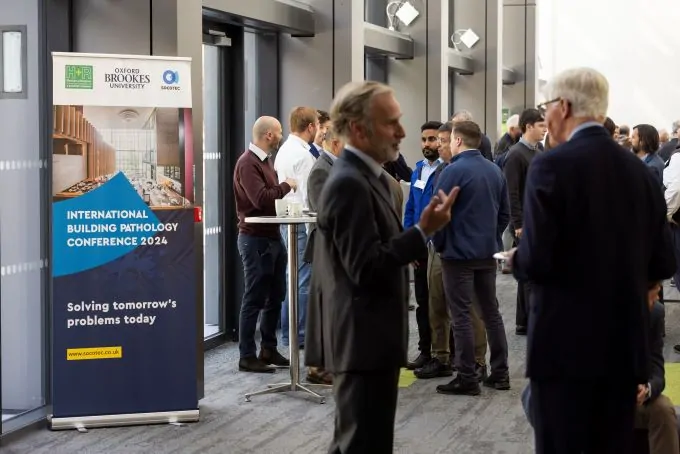
The BP24 conference, held at Oxford Brookes University, was intended to develop and promote the application of Building Pathology as a holistic subject for the investigation, diagnosis, prognosis, and remediation of failures in buildings and the built environment; based on the understanding of buildings as complex systems evolving over time. This allows a holistic approach to risk identification and cost-effective risk management for failures in all new, refurbished, and historic buildings, and in the built environment.
What was our aim?
“The need to understand how buildings react to changing environmental conditions and meet the demands of contemporary society has become of growing importance as we seek to make better use of our existing buildings and design new buildings that will offer improved durability and resilience in the future. We cannot continue with existing ways of design and construction, or place reliance on outdated myths or assumptions, if positive change is to occur.
BP24 followed the theme of earlier Building Pathology conferences run by H+R in addressing subjects that are of current interest or concern to academics and professionals working in the built environment, offering an opportunity to discuss pressing issues and promote interdisciplinary change and collaboration.”
Dr David Watt
SOCOTEC UK Building Pathology and Heritage
Visiting Professor at Oxford Brookes University
Key Subjects
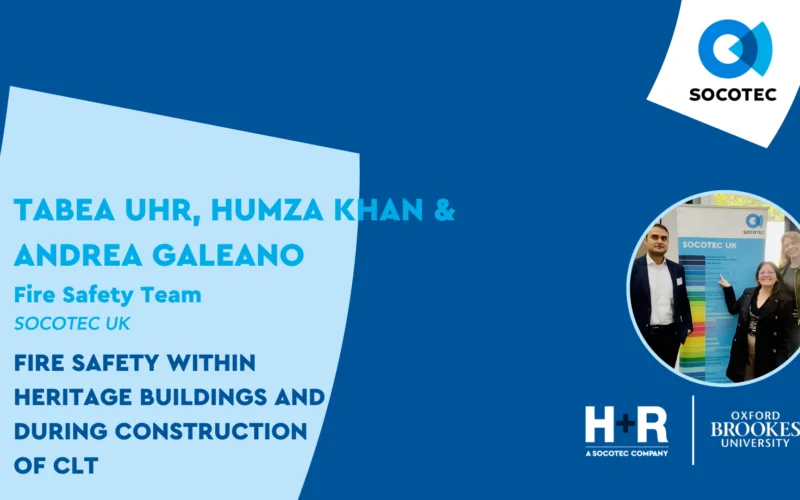
The BP24 conference consisted of a program of informal and formal presentations by participants eminent in their fields, of 15 to 30m minutes followed by open discussions of 15 to 20 minutes, over the two days of the conference. There were opportunities for ‘breakout’ sessions for special interest groups, and a Conference Dinner for conference participants and Guests.
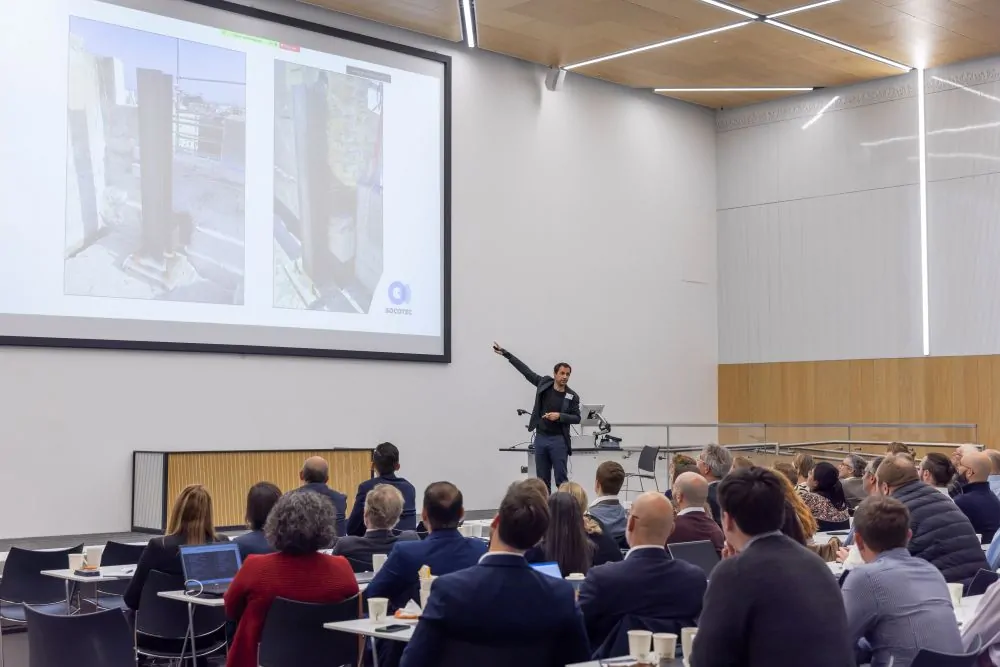
BP24 covered a range of subjects relevant to Building Pathology, with presentations and engagement by leading academic researchers and built environment practitioners, including:
- Climate change
- Flooding
- Building performance
- Building surveys and assessments
- Building Regulation, Building Safety and Building Control
- Fire safety
- Retrofit
- Dampness
- Mould and health impacts
- Timber decay
- Craft training
- Community engagement
- Interstitial Condensation
- Decay to new Timber and CLT Buildings
- Concrete Failures
- Insurance and litigation
- Energy Efficiency and Sustainability
- Repurposing of Historic Structures and Building Stocks