What is the Building Pathology Conference?
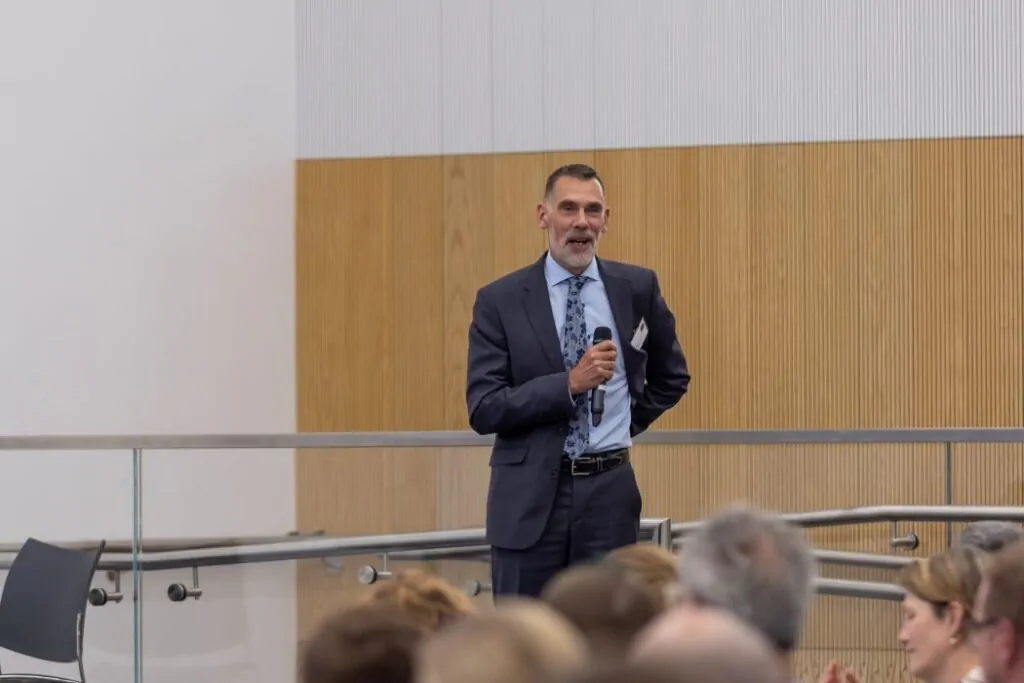
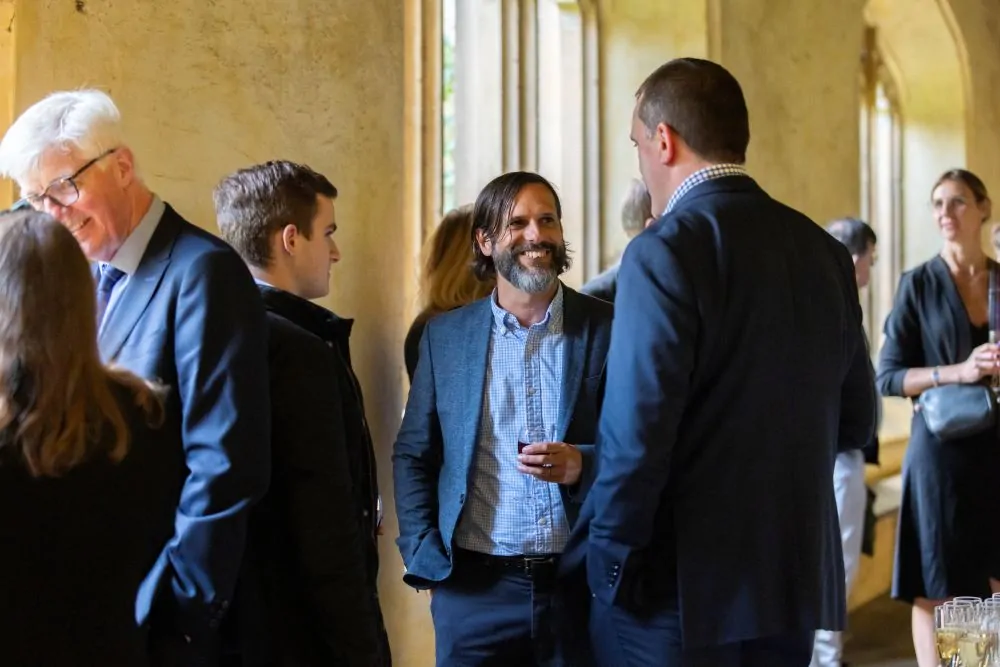
The BP24 conference held at Oxford Brookes University in September 2024 re-established the theme of earlier Building Pathology conferences run by Hutton + Rostron in the 1980s and ‘90s which addressed subjects of interest or concern to academics and built environment practitioners. The key focus of these early conferences was to promote interdisciplinary discussion and collaboration.
BP24 retained this focus and set out to develop and promote Building Pathology as an interdisciplinary, holistic approach to understand building performance and inform the investigation of building failures. Such an approach has growing relevance in terms of managing risks associated with new construction, refurbishment of existing building and conservation of historic buildings, and for the wider consideration of the built environment.
The need to understand how buildings react to changing environmental conditions and meet the demands of contemporary society has become of growing importance as we seek to make better use of the nation’s existing building stock and design new buildings that offer improved durability and resilience. We cannot continue with existing ways of design and construction or place reliance on outdated myths or assumptions if positive change is to occur.

Register your interest for BP26 now
Call for Abstracts
H+R is excited to announce the call for abstracts for BP26, following the same format as BP24, to be held again at Oxford Brookes University on 10 and 11 September 2026. Celebrating the partnership of academic research and professional consultancy, this event is open to all who feel they can contribute. Abstracts will be reviewed by a panel from OBU and SOCOTEC UK & Ireland, and we hope to be able to publish selected abstracts in two journals, International Journal of Building Pathology & Adaptation (TBC) and International Journal of Urban Sustainable Development, subject to editorial selection.
The theme for BP26 remains the same as BP24 – Solving tomorrow’s problems today – with emphasis on building environment research, policy development, technical innovations or improved methodologies and issues that impact on the performance of buildings and wellbeing of their occupancies in an ever-challenging environment.
We invite submissions of original research papers, case studies, and technical
presentations addressing current and emerging issues in building pathology and
construction policy. We welcome contributions from academics, practitioners,
consultants, researchers, and postgraduate students.
Please use our brochure as a guide for submission.

Key Subjects
Building Pathology and Diagnostics
- Building defect investigation and analysis
- Material degradation and deterioration mechanisms
- Moisture-related pathology (condensation, damp, water ingress)
- Structural failures and remediation strategies
- Non-destructive testing and diagnostic techniques
Heritage and Conservation
- Conservation methodologies and best practice
- Pathology of historic materials and structures
- Balancing preservation with modern building standards
- Retrofit challenges in heritage buildings
- Sustainable conservation approaches
Construction Policy and Regulation
- Building Standards and compliance
- Impact of Building Safety Act 2022
- Risk management and governance in construction
- Quality assurance and competence frameworks
Sustainability and Building Performance
- Energy efficiency retrofits and unintended consequences
- Climate change impacts on building fabric
- Sustainable remediation strategies
- Life cycle assessment of building materials
- Performance gaps in new and existing buildings
- Flooding and the built environment
Digital Innovation and Technology
- Building Information Modelling (BIM) in pathology assessment and heritage
- Digital surveying and monitoring technologies
- Predictive maintenance and AI applications
- Remote inspection methodologies
- Data management and digital twins
Building Surveying and Professional Practice
- Expert witness and dispute resolution
- Professional standards and ethics
- Emerging risks in building surveying
- Insurance and building defects
- Training and competency development